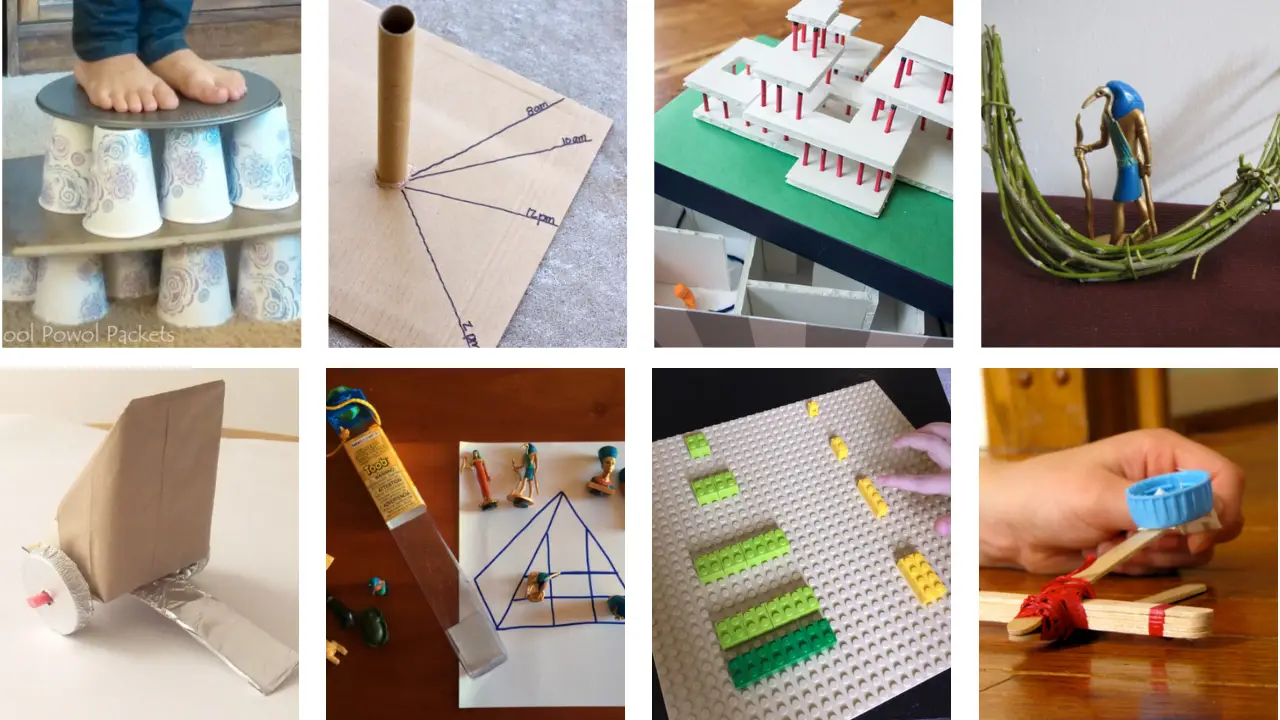

Awesome Engineering Activities for Kids of All Ages
Hey, just so you know … This post includes affiliate links. That means if you use them to make a purchase, I may earn a commission. You can read my full affiliate disclosure HERE.
When you think of engineering, you might imagine complex blueprints and towering skyscrapers, but did you know that introducing engineering activities for kids at home can be both fun and incredibly rewarding?
Now, I know the word ‘engineering' might sound intimidating. But trust me, it doesn't have to be!
In our house, it started with something as simple as building towers with blocks. Before I knew it, we were having paper airplane competitions in the backyard. And you know what? My kids were learning about science, technology, engineering, and math without even realizing it. They were just having fun and following their curiosity!
And here's the best part: these activities don’t require fancy equipment or advanced knowledge. In fact, you probably already have everything you need right at home!

Understanding Engineering
Before we jump into the activities, let’s take a moment to understand what engineering really is.
At its core, engineering is all about solving problems by designing, building, and improving things. From the bridges we drive on to the gadgets we use every day, engineering is everywhere.
There are different branches of engineering, each with its own focus:
- Civil Engineering deals with the design and construction of structures like roads, bridges, and buildings.
- Mechanical Engineering focuses on machines and mechanical systems, from cars to wind turbines.
- Electrical Engineering involves working with electrical systems, circuits, and anything powered by electricity.
- Environmental Engineering is all about finding solutions to environmental problems, like designing ways to clean our water or reduce pollution.
Now, you might wonder, “How can I teach my kids something as complex as engineering?” The good news is that you can simplify these concepts for kids through everyday materials and activities.
Adapting Engineering Activities for Kids at Home: Tips and Tricks
Introducing engineering concepts at home doesn’t have to be overwhelming. Here are some easy tips to get you started:
- Start with Simple Concepts: If you're anything like me, you know how important it is to break things down. Start with easy-to-understand concepts like gravity or balance.
- Use Everyday Materials: No need to rush out for expensive supplies. Your home is full of possibilities! Recycled items like toilet paper rolls can become balloon-powered cars, and craft sticks make perfect building tools for 2D and 3D shapes.
- Encourage Open-Ended Exploration: Engineering is all about problem-solving and innovation. Let your kids explore different ways to tackle a challenge. There’s no one “right” answer, and that’s the beauty of it!
- Focus on the Process, Not the Outcome: Sometimes the bridge might collapse or the tower won’t stand up, and that’s okay! Engineering is all about learning through trial and error. It’s in these moments that real learning happens.
- Make It Relatable: One of the best ways to get kids excited about engineering is to connect it to something they already love. If your child is into LEGO, try out some LEGO building challenges. When they see how engineering ties into their favorite activities, they'll be more engaged and eager to learn.
Preparing for Engineering Activities
Before starting with the exciting engineering activities for kids, a little preparation will make all the difference. Don’t worry, you don’t need to turn your home into a science lab!
Basic Materials and Tools
One of the best things about introducing engineering at home is that it’s budget-friendly. Most of the materials are likely things you already have around the house. Here’s a quick list of supplies that are perfect for hands-on STEM activities:
- Craft sticks or popsicle sticks for building structures like bridges or catapults.
- Straws for lightweight engineering projects, such as bridge building.
- Styrofoam balls for 3D projects like indoor snowball structures.
- Rubber bands, tape, and glue for assembling various creations.
- Recycled materials like toilet paper rolls, cardboard, and plastic bottles for upcycling projects like the balloon-powered car.
- Simple tools such as scissors, rulers, and pencils for measuring and cutting.
Here’s a tip: I like to keep a big bin filled with all these supplies. That way, whenever inspiration strikes, we can grab it and get started without missing a beat. Having everything in one place makes it so much easier to jump into an activity, whether it's planned or spontaneous!
To ensure your child's engineering activities are safe and enjoyable, always supervise when necessary, especially with sharp objects or small parts that could pose a choking hazard.
Establish a dedicated workspace to keep materials organized, and teach safe tool usage, like handling scissors and glue guns responsibly.
Creating a STEM station with supplies in one spot can make it easy for your child to jump into a project. Encourage collaboration with siblings or friends, as teamwork is a key part of engineering.
Finally, keep the environment relaxed, allowing your child to freely explore ideas and experiment with different designs, while providing support as they navigate challenges.
Engineering Activities for Different Age Groups
Engineering isn’t a one-size-fits-all subject. Kids at different ages have different abilities and interests, so it’s important to tailor activities to their developmental level. Let’s look at some ideas by age group.
Ages 4-7: Building the Foundations of Engineering
At this age, kids are naturally curious and love building things with their hands. Here are some simple and fun ways to introduce engineering concepts:
Building Structures: Blocks and other toys and materials that can be stacked or used for building are a fantastic way to teach kids about balance, symmetry, and stability. Whether it’s LEGO bricks, building the tallest tower, or magnetic tiles, building structures helps young learners grasp basic engineering concepts like gravity and load distribution.
Paper Airplane Engineering: Who knew paper airplanes could teach so much about engineering? Try making different airplane designs and see which ones fly the farthest. This simple activity introduces concepts like aerodynamics, lift, and gravity in a way that’s easy for younger kids to understand. Plus, it’s a fun way to explore trial and error as they adjust their designs for better flight.
Simple Machines with Household Items: Teach kids about simple machines—levers, pulleys, and ramps—using everyday items around the house. For example, set up a small ramp with a piece of cardboard and explore how objects roll down it at different speeds. You can even create basic levers with a ruler and a block. These hands-on activities are a great way to introduce kids to the world of engineering and how it impacts the things they interact with daily.
Ages 8-11: Experimenting with Engineering
Kids in this age group are ready for more complex challenges that encourage them to think critically and solve problems. Here are some engaging activities that will help them explore engineering further:
Bridge Building Challenge: Using popsicle sticks, building with blocks, straws, or even LEGO, challenge your child to build a bridge that can hold a certain weight, like a can of food. This activity introduces basic principles of load and support while encouraging problem-solving and creativity. Let them experiment with different designs and see what works best. You can even turn it into a friendly competition to see whose bridge holds the most weight. Check out this Bridge Building Challenge for more inspiration.
Balloon-Powered Cars: Recycled engineering is always a hit. Using a toilet paper roll, a balloon, and a few other simple materials, your child can create a balloon-powered car that zooms across the floor. This project is a fun way to explore concepts like propulsion, friction, and air pressure. They can experiment with different car designs to see which one travels the farthest or fastest. Check out this Balloon Car Project for step-by-step instructions.
Water Filtration Experiment: If your child is fascinated by science and the environment, this activity is perfect. Help them create a simple water filter using materials like sand, gravel, and coffee filters. This introduces them to the principles of filtration and purification—key concepts in environmental engineering. You can even connect it to real-world problems like clean water access and discuss the role of engineers in solving these issues.
Ages 12+: Tackling Advanced Engineering Projects
Older kids are ready to take on more advanced engineering projects that require critical thinking, planning, and execution. These activities will challenge them while also introducing them to real-world engineering concepts:
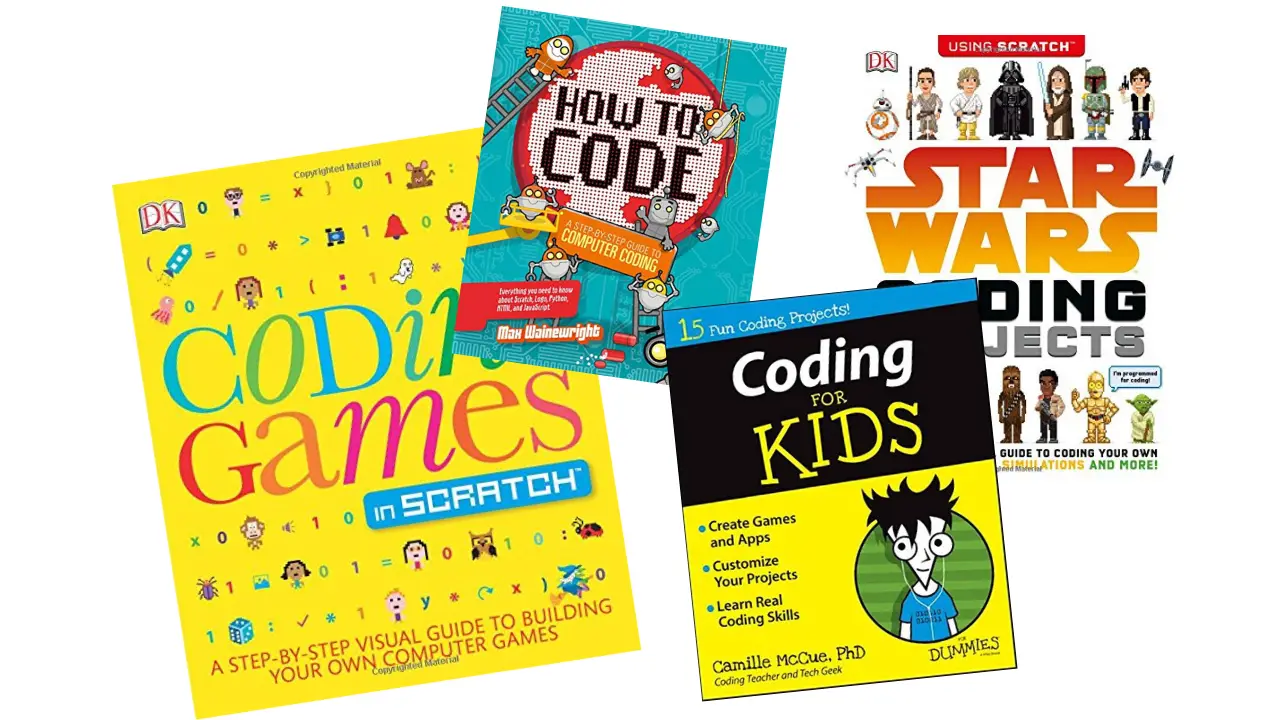
Coding and Robotics: Coding is an essential skill for today’s young engineers. Start with beginner-friendly platforms like Scratch or Python, where kids can learn the basics of programming through fun projects.
If they’re ready for more, building a simple robot using LEGO Mindstorms or Raspberry Pi can help them dive into the world of robotics.
Renewable Energy Projects: Sustainability is a hot topic in engineering, and your child can explore it through renewable energy projects.
Build a solar oven using a pizza box, aluminum foil, and plastic wrap, and use the sun’s energy to cook a snack. Or try constructing a mini wind turbine to learn about how wind can be converted into electricity.
These projects are a great way to introduce the importance of green engineering and inspire conversations about how we can help protect our planet. Try building a solar oven for an easy and effective project.
3D Printing: If you have access to a 3D printer, your child can get hands-on with the latest technology in engineering. Start with designing simple objects using CAD software and then watch as their creations come to life in the 3D printer. This activity combines creativity with practical application, and it’s a fantastic way to explore engineering design and prototyping.
Teaching Engineering Is Fun and Rewarding
Engineering might seem like a complex subject, but it can be broken down into simple, fun activities that kids of all ages can enjoy.
By integrating these hands-on experiences into your homeschool, you're not just teaching your children about engineering; you're inspiring them to think creatively, solve problems, and explore the world around them.

Remember, the goal isn’t perfection—it's the process of discovery, experimentation, and learning together. So grab some everyday materials, let your imagination run wild, and watch as your kids develop a love for engineering that could last a lifetime!

Related Posts
- STEM Projects for Ancient History Lesson Plans
- STEM Projects for Kids Who Love Art
- 15 Educational Games for Kids that Teach STEM

Want some techie homeschooling tips and inspiration delivered to your inbox? Sign up here for weekly-ish emails from me.
Techie Homeschool Mom is a participant in the Amazon Services LLC Associates Program, an affiliate advertising program designed to provide a means for sites to earn advertising fees by advertising and linking to Amazon.com. You can read my full affiliate disclosure HERE.