How to Enhance Homeschool Music Lessons with Technology
Hey, just so you know … This post includes affiliate links. That means if you use them to make a purchase, I may earn a commission. You can read my full affiliate disclosure HERE.
One of the many benefits of homeschooling is the flexibility it provides in tailoring your lesson plans to suit your child's interests and aptitudes. If your child has a passion for music, technology can be a valuable tool to enhance their musical journey by exploring and developing skills right from home!
With the right tools and a variety of resources, you can help your child learn how to sing, learn a new instrument, write and record songs, learn music production, and connect with other musicians.
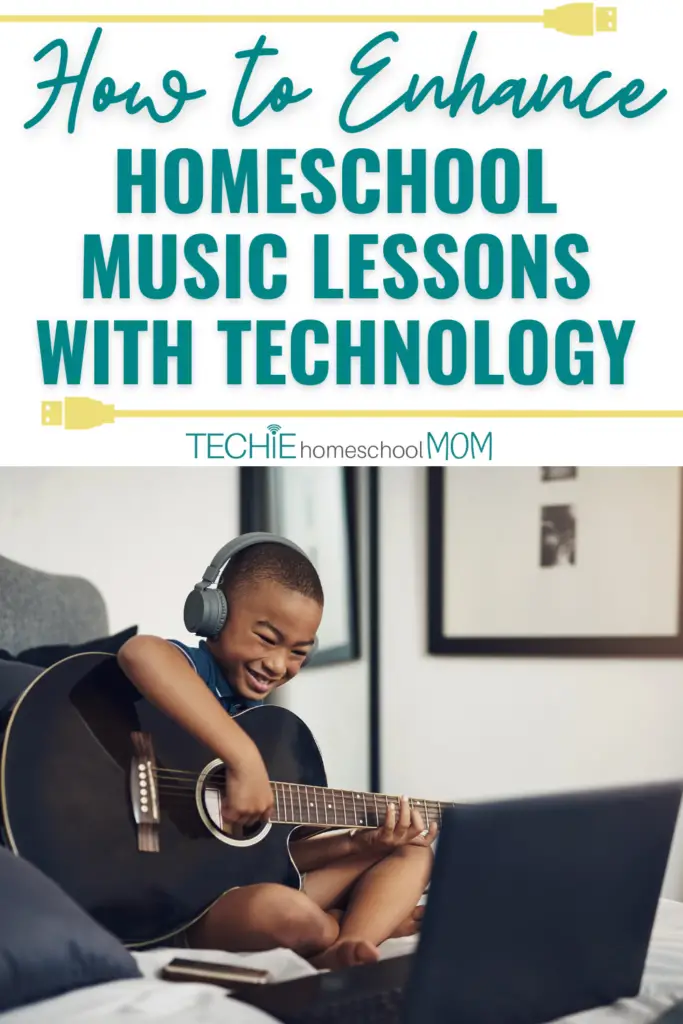
Let's take a look at how homeschool students of all ages can use different types of tech to enhance their music study and music appreciation.
Using Technology in Homeschool Music Lessons
Elementary (Grades K-5) Age Group
For young learners in an elementary grade level, technology can be an exciting way to introduce them to the world of music and musical concepts, before beginning private lessons.
Here are some suggestions to get them started in a homeschool environment:
Music Learning Apps: There are numerous music learning apps available for smartphones and tablets that can engage young learners in interactive and fun musical activities. Apps like “Music Tutor” and “Perfect Ear” provide fun games and exercises to help children learn to read sheet music, recognize notes, and develop their listening skills; “Yousician” and “Simply Piano” offer interactive lessons, games, and tutorials.
Online Music Resources: There are many several online resources that offer music lessons and tutorials for young learners. Websites like “PBS Kids Music Games” and “MusicTheory.net” provide interactive lessons, games, and quizzes that can help children learn about music theory, rhythm, and melody. Maestro Classics offers narrated children's stories set to classical music, and is a great addition to your elementary homeschool music curriculum.
Virtual Choirs and Music Communities: Platforms like “Choir Player” and “Sesame Street Sing Along” provide opportunities for young children to sing and perform with others from the comfort of their own home.
Karaoke Singing: There are several free (and some paid for extra features) apps and websites that offer thousands of high-quality karaoke songs in various languages. This includes platforms like “SingSnap”, “Smule”, “YouTube”, and “KaraFun”. Some of these platforms are socially-based, so always create a login that you protect and oversee any interaction as a parent.
Middle (Grades 6-8) Age Group
As homeschoolers enter their middle school years, they may be ready for more advanced music instruction. Here are some online-based suggestions for this age group:
Music Creation Apps: Middle schoolers can start creating music using apps like “GarageBand” (available on iOS devices) or “BandLab” (available on iOS and Android devices). These apps allow kids to create their own music tracks, record their voices or instruments, and experiment with different sound effects and virtual instruments.
Virtual Music Collaboration: Technology can also enable middle schoolers to collaborate with other musicians online, even if they are not physically present in the same location. Platforms like “Kompoz” and “Soundtrap” allow students to collaborate with other musicians from around the world, creating and sharing their original music.
Online Music Classes: Many music instructors offer virtual music lessons, which can be a convenient option for homeschoolers. Platforms like Zoom or Skype can be used for private music lessons, allowing your child to work with a dedicated music teacher from anywhere in the world. Popular instruments include piano, guitar, drums, violin, and singing on platforms like “Lessonface” and “TakeLessons,” which offer a wide range of skill levels and musical interests. Music in Our Homeschool and Outschool are other great options for online homeschool music classes.
Music Training Apps: Improve your ear training with apps like “Functional Ear Trainer” and “Theta Music Trainer”, or learn music theory with software like “EarMaster” and “Hooktheory,” or improve your rhythm and timing with metronome-based apps such as “Metronome Plus” and “Time Guru” when playing an instrument.
High School (Grades 9-12) Age Group
High school students who are serious about pursuing music as a passion or potential career can benefit from more advanced technology-based tools.
Additionally, it’s important for teens to find supportive and like-minded musicians, producers and singers to help cultivate their creativity and self-expression. Therefore, some of the suggestions below include tools and platforms to help them develop and share their music:
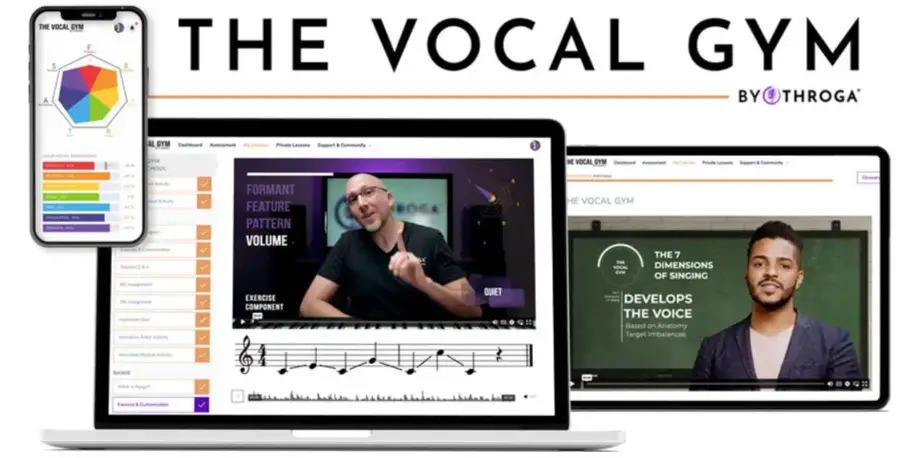
Advanced Music Courses: Many universities and music institutions offer online music courses that cover a wide range of topics, from music theory and composition to music history and performance to earn college credit. Berklee Online is a popular one that also features summer programs. There are also many self-paced courses available for this age group, including The Vocal Gym For Homeschool that teach kids how to sing and earn 1 full Fine Arts credit for High School.
Online Audition Platforms: High schoolers who are interested in auditioning for musical theater, bands, or orchestras can use online audition platforms like “Backstage” and “Accepted” to find audition opportunities beyond their local communities. These platforms connect aspiring musicians with casting directors and talent scouts, increasing their chances of being seen.
Digital Audio Workstations (DAWs): High schoolers can advance from GarageBand and BandLab to more professional-grade DAWs like “Pro Tools,” “Logic Pro,” or “Ableton Live” to create and produce their own music. These software programs offer advanced features for recording, editing, and mixing music, providing a comprehensive music production experience.
Online Music Sharing Platforms: Platforms like “SoundCloud” and “Bandcamp” allow your child to share their music online and build their fan base. If they create new music or produce something that can earn them royalties, they can work with platforms like “DistroKid” and “TuneCore“, which will distribute their music to various streaming services such as iTunes and Spotify.
Social Media Marketing Tools: Social media is a significant part of today’s musical culture. Having an online presence in any field of the performing arts can lead to wonderful and unexpected opportunities. If your child becomes more serious about their music, they may want to start building their fan base and promoting themselves on all major platforms like “Instagram,” “YouTube,” and “TikTok.” Used correctly, these can be very powerful tools to develop a fan base, which can then be monetized when popular enough.
Technology Gives You More Options With Musical Instruments
In addition to the virtual suggestions above, there are several musical instruments available in today's market that allow your kids to explore their creativity without it getting too loud! Kids love it too because they can practice more hours of the day and not get self-conscious as to how they are sounding when first starting out.
Modern keyboards, electric guitars, and even entire drum sets can be amplified through headphones, easily stored away, and affordable (hint: they sell used on FB market and Ebay all the time!).
This is a great alternative to buying traditional acoustic instruments if your child is showing an interest in learning another instrument beyond singing.
Electric Guitar/Bass: Electric guitars are relatively quiet to begin with but did you know they can be plugged into amp simulators like Bias Amp or Guitar Rig? This is a great way to emulate different amplifier and effects combinations without the volume.
Keyboards: Digital pianos are one of the most versatile sounding instruments with countless effects and soundscapes to explore. Piano is also one of the easiest to learn how to play and is a great way to introduce music at any age (including mom and dad!).
Electronic Drums: Alesis and Roland V-Drum kits provide realistic drum samples and even feels like you’re playing real drums with mesh surfaces.
Electric Violin: Like electric guitars, electric violins use magnetic or electrodynamic pickups to capture the sound from the strings and amplify them through headphones rather than echo in a hollow body, making them significantly quieter.
Electronic Saxophone: Instead of sound being created by the vibration of a reed, digital saxophones use a breath sensor mounted just below the mouthpiece to simulate the same action. Some models come with Bluetooth connectivity, allowing the musicians to completely customize the soundscape.
USB Microphones: You no longer need a high end recording studio to capture a great vocal idea! Singers can record originals or sing along with karaokes right into their DAW at home USB microphones, such as the Shure MV7, Elgato Wave series, or Blue Yeti X.
Enhancing the Music Learning Experience with Technology
Technology offers homeschoolers of all ages an abundance of opportunities to explore, learn, and create music from the comfort of their own home.
Music learning apps, online resources, and electronic instruments can help young learners develop their musical abilities to sing, play instruments, write songs, and connect to the world at any age!

By leveraging technology, homeschoolers can enjoy a rich and fulfilling music education experience and learn to express themselves while tailoring to their unique interests and talents.

Related Posts
- Here's How To Choose An Awesome Music Curriculum for Homeschool
- Fun Music Learning Apps Your Kids Will Love
- How to Find the Best Udemy Courses

Want some techie homeschooling tips and inspiration delivered to your inbox? Sign up here for weekly-ish emails from me.
Techie Homeschool Mom is a participant in the Amazon Services LLC Associates Program, an affiliate advertising program designed to provide a means for sites to earn advertising fees by advertising and linking to Amazon.com. You can read my full affiliate disclosure HERE.